
Services · Essex
Conservation Architects in Essex.
Conservation sits at the centre of how the Practice thinks about buildings. Older fabric is a resource to be understood and cared for, and the most rewarding conservation projects combine sensitive repair, considered intervention and genuine long-term use.
01
The conservation areas we work in.
Essex has more than two hundred designated conservation areas — from the timber-framed cores of Coggeshall, Thaxted and Saffron Walden to the Georgian and Victorian streets of Chelmsford, Colchester and Brentwood. Each area has its own character appraisal and its own local sensitivities, interpreted differently by each district council.
Because we work across the county, we bring a considered understanding of those differences. A window scheme that is straightforward in one district may require far more careful justification in another.
02
Repair before intervention.
Our default position is to repair before we replace. Where original elements survive — brickwork, lime render, joinery, roof coverings — we look for ways to retain them, introducing new fabric only where the original is genuinely beyond meaningful repair. That discipline reads well with conservation officers and tends to age gracefully long after the project is complete.
03
How conservation projects are run.
Conservation projects move at their own pace. Surveys reveal new information, fabric behind plaster proves to be earlier than expected, and planning conditions ask for material samples on site. We build these realities into the programme rather than treating them as disruption. The clients who most enjoy this kind of work are those who value the process as much as the finished building.
04
How a conservation project runs.
The first stage is understanding: a condition survey, an assessment of what is significant, and a review of previous alterations and consents. Concept design follows, developed in conversation with the local conservation officer so that the direction is tested before it is committed to drawings. Consents are then submitted, and the technical stage sets out repairs, materials and methods in enough detail for a specialist contractor to price accurately.
On site we stay closely involved. Conservation work reveals information that no survey can anticipate, and decisions often need to be made in front of the fabric itself rather than at a desk.
05
Experience behind the conservation work.
As a RIBA Chartered Practice with over 40 years of work on historic buildings in Essex, we have built long-standing relationships with conservation officers across the county's districts and with the specialist trades that this kind of project depends on.
Conservation also sits alongside our sustainable design work. Improving the performance of a historic building without damaging its fabric is one of the more demanding briefs in architecture, and it is an area where careful, informed judgement matters far more than a standard specification.
The Practice
Who you would be working with.
Acanthus RH Architects LLP is a RIBA Chartered Practice based on the outskirts of Chelmsford. Formerly Robert Hutson Architects, the Practice carries over 40 years of experience across residential, heritage, hospitality, education and community work, and is part of Acanthus, a network of independent regional practices. Much of our work comes from repeat commissions and personal recommendation.
- Established
- Over 40 years
- Accreditation
- RIBA Chartered Practice
- Studio
- Little Waltham, Chelmsford
- Also offering
- Principal Designer duties
Selected work.
All projects →
From the journal.
All writing →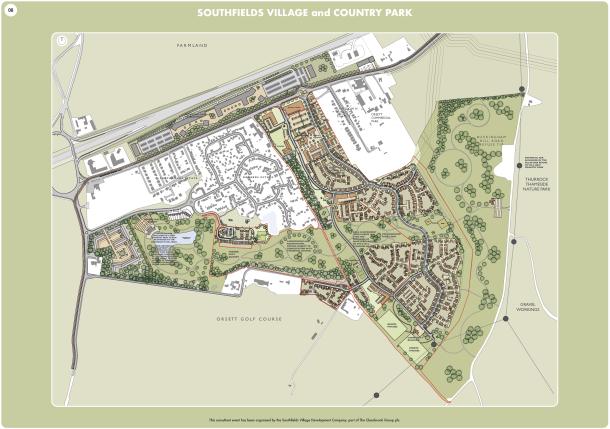
Public Exhibition
Southfields Village and Country Park
The first of two public exhibitions took place this weekend to showcase the urban regeneration — private and social housing, commercial zones, education, leisure, retail and parkland.
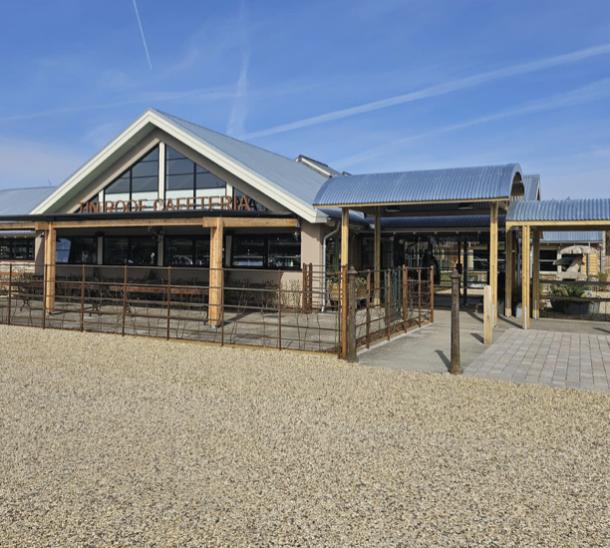
Hospitality
The Tin Roof Cafeteria and Bakery opens near Maldon
Another great project with a long standing client in hospitality — now open and so popular there are daily queues to get in.
FAQ
Common questions.
What is the difference between conservation and heritage work?+
In practice, the two overlap considerably. Conservation tends to describe the physical care of historic fabric and areas; heritage covers the wider question of significance and change. Most projects involve both.
Do I need Listed Building Consent for internal changes?+
Very often, yes. Almost any alteration that affects the character of a listed building, including internal changes, requires consent. We can advise clearly before any design work is committed.
How do you approach a conservation project?+
Every listed or historic building is different, so we begin by understanding what makes it significant and how it needs to work for its owner. From there we set out a clear approach with the local conservation officer and Historic England where relevant, so that decisions are made with the full picture in view.
Get in touch
A considered view on your conservation project.
We would be glad to visit and offer an initial, considered opinion before any drawings or fees are discussed.
Studio
Unit 5, Whitbreads Business Centre, Whitbreads Farm Lane
Little Waltham, Chelmsford, Essex
CM3 3FE