

Services · Essex
Heritage Architects in Essex.
Heritage work has been a long-running thread through the Practice. For over 40 years we have been repairing, adapting and extending historic buildings across Essex and beyond — from small Grade II cottages in village conservation areas to country houses, walled gardens and former agricultural buildings.
01
A thoughtful, considered approach.
A well-judged heritage project is as much about restraint as invention. The starting point is a proper understanding of the building — its age, its phases of alteration, the materials that were used and the significance of what survives. Only from that foundation does it become meaningful to consider what should change.
The Practice prepares Heritage Statements and Design and Access Statements that engage carefully with the National Planning Policy Framework and, where relevant, with local conservation area appraisals. Where the Historic Environment Record needs to be consulted, or where Historic England is likely to be a consultee, that engagement is planned into the programme from the outset.
02
Working alongside conservation officers.
Every Essex district has its own conservation officer, and the relationship with them is one of the most important contributions a heritage architect can make. We have worked closely with officers at Chelmsford, Brentwood, Uttlesford, Braintree, Maldon, Colchester and Tendring. Our approach is to consult early, share options openly and treat officer feedback as design input.
03
Selected heritage projects.
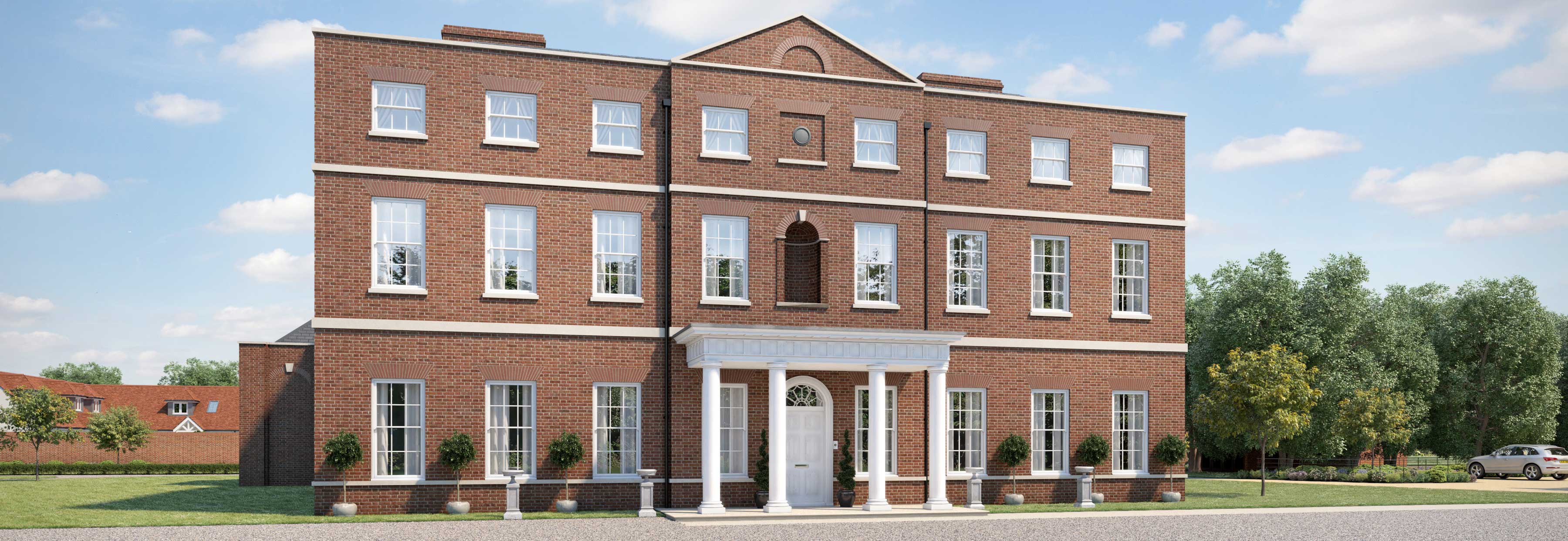
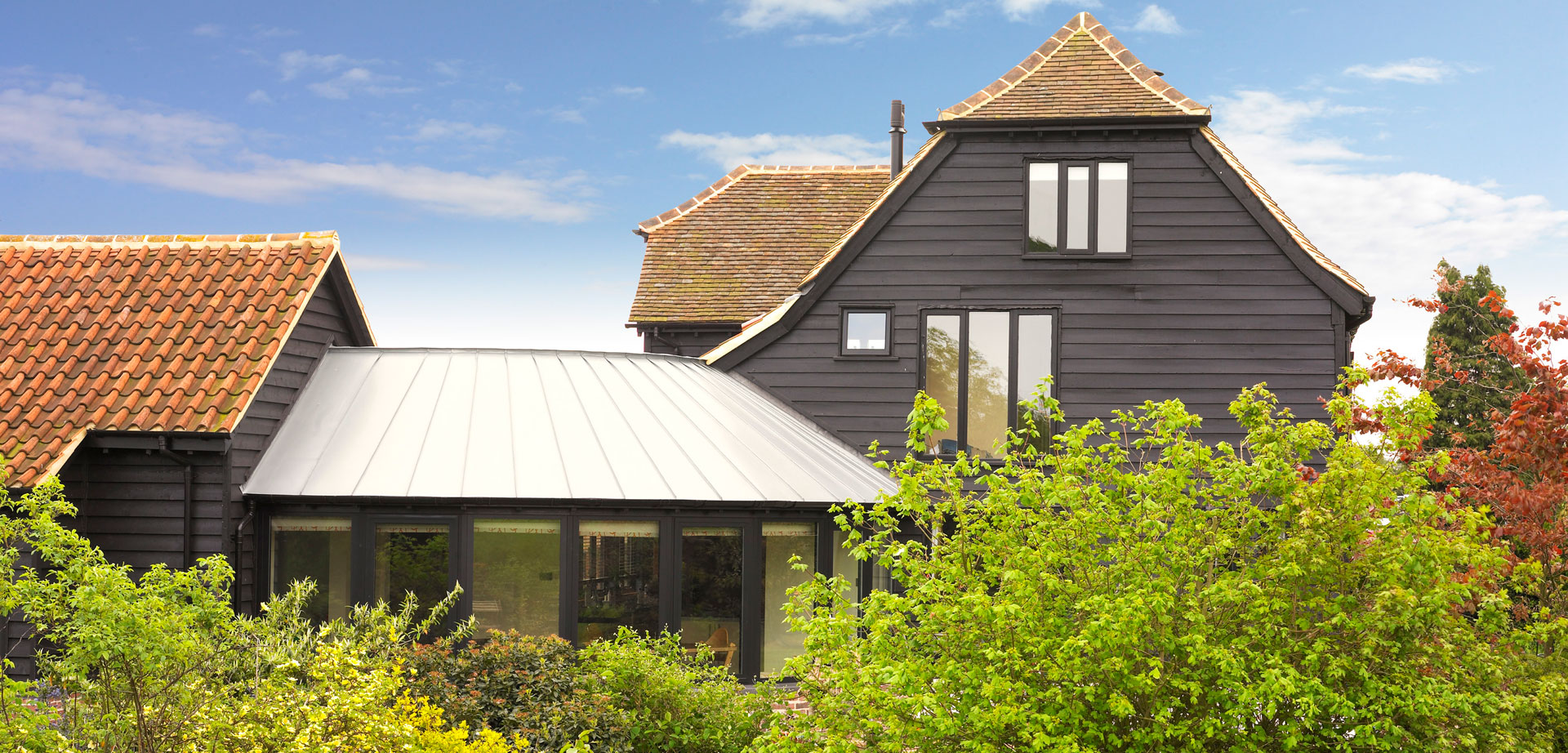
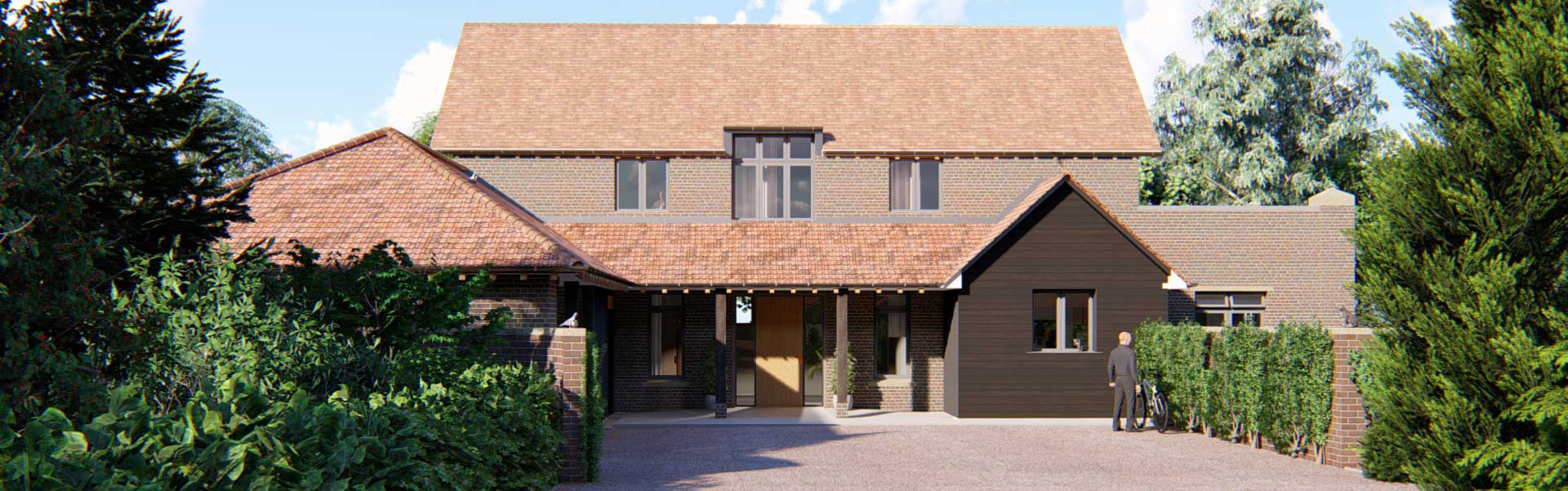
Boyles Court, a Grade II* mansion near Brentwood, and Brizes Park, a Grade II Georgian house, are two of our better-known conservation-led residential projects. Ford End House and Thrift Farm illustrate quieter but equally careful work on smaller listed properties in Essex villages. On a different scale, Lincoln's Inn Fields Hotel in central London involved detailed intervention within a listed terrace, and Northumberland Avenue brought heritage, hospitality and interior design together in one building.
04
How a heritage project runs.
Heritage work follows the RIBA Plan of Work like any other project, but with additional stages folded in. Before concept design begins we carry out a significance assessment, review the listing description and the Historic Environment Record, and where necessary commission a measured survey. Only once that picture is complete do we begin to consider what should change.
Planning permission and Listed Building Consent are then usually submitted in parallel, supported by a Heritage Statement prepared in-house. On site, conditions frequently require material samples and sample panels to be approved before work proceeds, and we plan those approvals into the programme rather than treating them as delays.
05
Experience behind the heritage work.
Heritage has been a continuous thread through the Practice for four decades. That length of experience matters on historic buildings, because the judgement involved is largely accumulated rather than taught: knowing when a repair is preferable to a replacement, when a proposal will attract a Historic England consultation, and how much justification a conservation officer will reasonably expect.
We work regularly alongside conservation-accredited structural engineers, historic building consultants and specialist contractors in lime, timber frame and traditional joinery. Where a project calls for expertise we do not hold in-house, we say so and bring in the right person rather than improvising.
The Practice
Who you would be working with.
Acanthus RH Architects LLP is a RIBA Chartered Practice based on the outskirts of Chelmsford. Formerly Robert Hutson Architects, the Practice carries over 40 years of experience across residential, heritage, hospitality, education and community work, and is part of Acanthus, a network of independent regional practices. Much of our work comes from repeat commissions and personal recommendation.
- Established
- Over 40 years
- Accreditation
- RIBA Chartered Practice
- Studio
- Little Waltham, Chelmsford
- Also offering
- Principal Designer duties
Selected work.
All projects →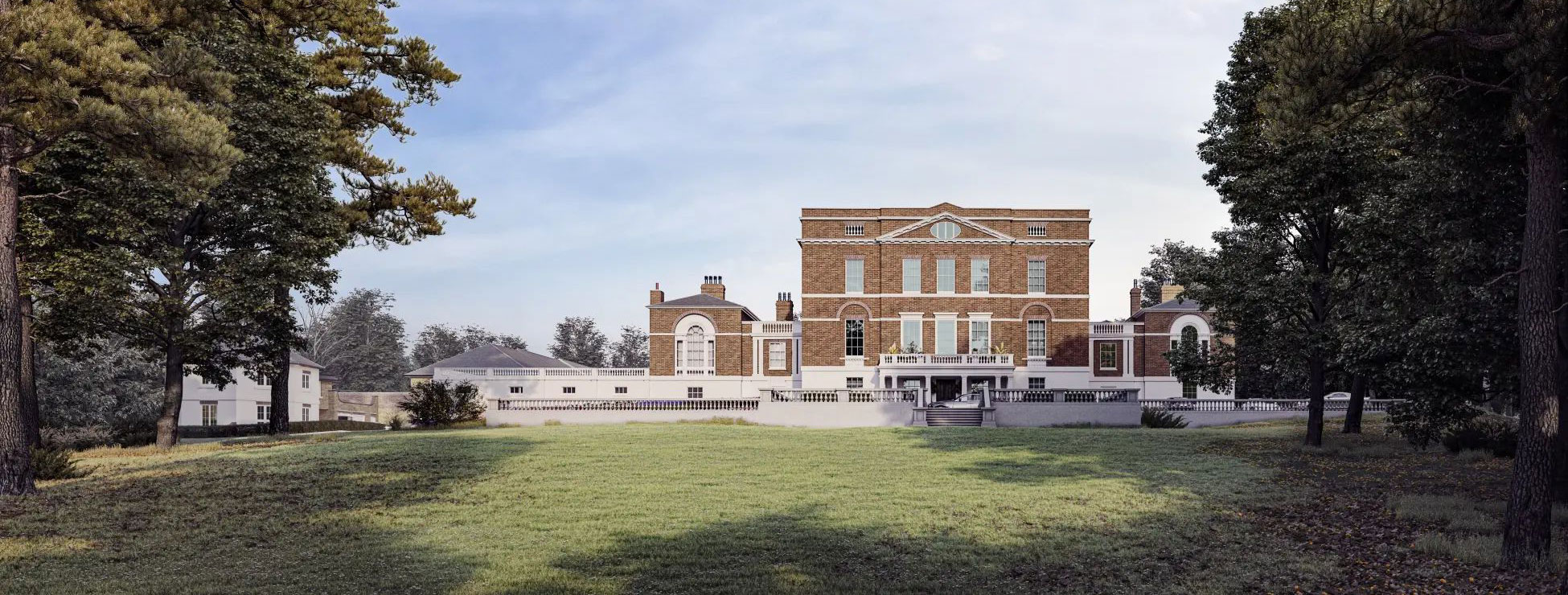
From the journal.
All writing →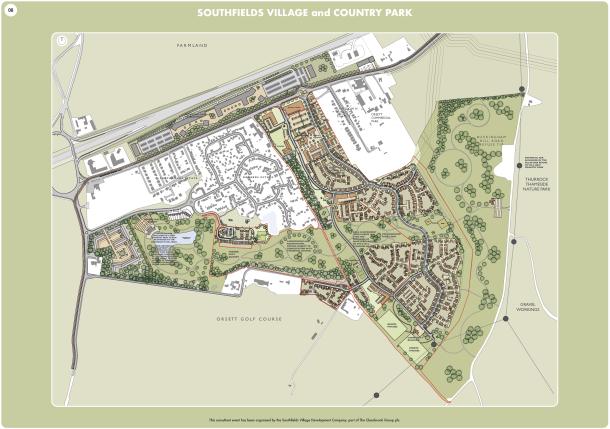
Public Exhibition
Southfields Village and Country Park
The first of two public exhibitions took place this weekend to showcase the urban regeneration — private and social housing, commercial zones, education, leisure, retail and parkland.
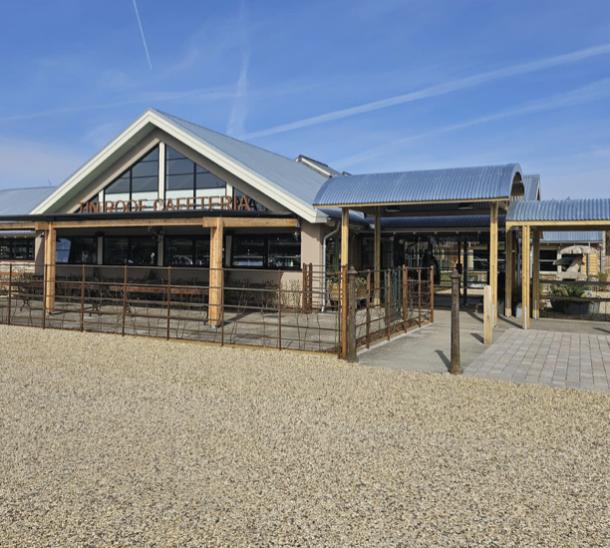
Hospitality
The Tin Roof Cafeteria and Bakery opens near Maldon
Another great project with a long standing client in hospitality — now open and so popular there are daily queues to get in.
FAQ
Common questions.
What is a Heritage Statement, and do I need one?+
It is a written assessment of a historic building's significance and how a proposal will affect it. Listed Building Consent applications, and most applications within conservation areas, require one. We prepare them in-house.
Can I extend a listed building?+
Often, yes, but the extension needs to be justified in heritage terms as well as design terms. We would usually begin with a short options appraisal so that the direction is clear before detailed design begins.
Do you work on scheduled monuments or Grade I buildings?+
We have extensive experience with Grade II and Grade II* buildings and are comfortable working alongside specialist consultants where a project involves Grade I or scheduled monument consent.
Get in touch
Discuss your historic building.
Share the address and a few photographs and we will offer a considered initial view on what is possible before any fees are discussed.
Studio
Unit 5, Whitbreads Business Centre, Whitbreads Farm Lane
Little Waltham, Chelmsford, Essex
CM3 3FE